Lai Chau Best Time to Visit: A Traveler's Guide
Lai Chau's remote northern location means weather swings hard between seasons. Here's when to go based on what you want to see and endure.

Lai Chau sits at 1,000+ meters elevation in Vietnam's far northwest, which means the seasons hit differently than lowland Hanoi. Cold, mist, and mountain isolation define winter; heat and occasional rain define summer. Knowing when to visit shapes whether you'll see clear skies on Tram Ton Pass or spend three days in cloud.
October to November: The Sweet Spot
October and November are the months most travelers should target. Temperatures run 15–22°C (59–72°F) during the day, cool enough at night to need a light jacket but not punishing. The sky clears after the autumn rains, which means visibility on mountain roads and passes is reliable. If you're trekking the hills around Lai Chau or heading to nearby Ha Giang, these two months give you the best chance of seeing the landscape without fog.
Crowd levels are moderate. You'll see other backpackers and motorbike tourists, but not peak-season gridlock. Guesthouses fill on weekends, but weekday travel is relaxed. This is also when the rice terraces finish their summer growth and look lush but not waterlogged.
Price-wise, October and November sit between shoulder and peak. Rooms run 250,000–400,000 VND per night at mid-range places; budget hostels are 100,000–150,000 VND. It's not bargain-basement, but not inflated either.
December to January: High Season, Cold Reality
Winter in Lai Chau is real. Temperatures drop to 5–15°C during the day and can dip below freezing at night, especially January. Locals pull out thick sweaters and blankets. If you're unprepared for cold, it's miserable; if you pack properly, it's manageable.
The upside: December and January are the clearest months. Fog is rare, and Tram Ton Pass—the highest point you can drive to in northern Vietnam, at 1,911 meters—offers genuine panoramic views. The air feels crystalline. Tourist crowds peak in late December and around Tet (Lunar New Year), so book accommodation early if you travel then.
Room prices climb. Expect 350,000–500,000 VND for a decent room; popular places fill fast. Budget travelers might find 120,000–180,000 VND, but selection shrinks. Restaurant prices hold steady—a bowl of "pho" or local noodles still costs 30,000–50,000 VND.
One caveat: Tet usually falls in late January or early February. During Tet week, many local restaurants close, roads fill with holiday traffic heading south, and you'll share guesthouses with domestic tourists. Plan accordingly.
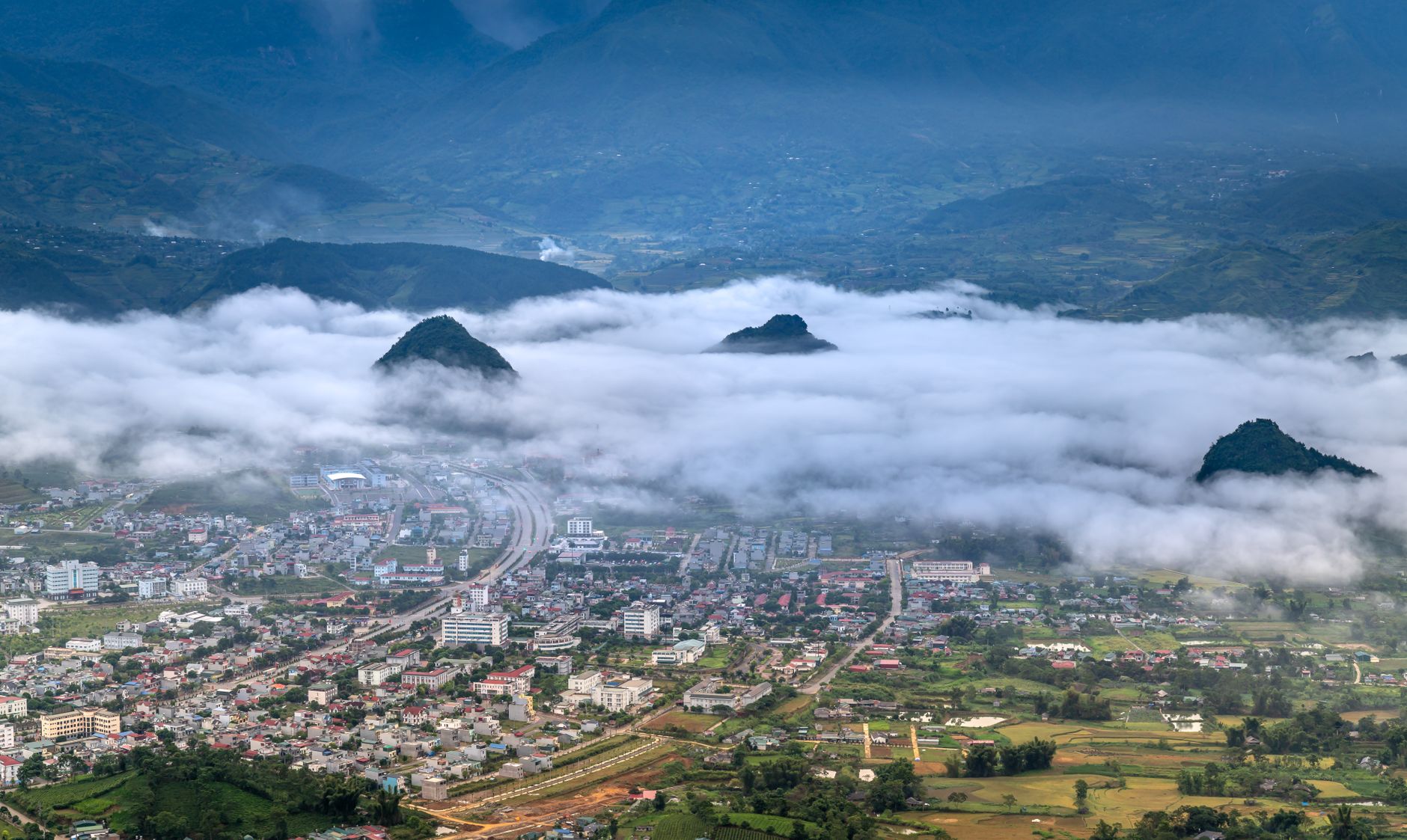
Photo by Quang Nguyen Vinh on Pexels
February to April: Shoulder Season, Variable
February to April is a mixed bag. Temperatures climb from 10°C (February) toward 20°C (April), and rainfall picks up as spring moisture moves in. Some days are clear and pleasant; others are gray and drizzly.
This is low season for foreign tourists but busy for domestic travelers during school holidays (late March to early April). Roads can be slick, and fog returns on higher passes. If you're flexible and don't mind misty scenery, you'll find cheap rooms and quiet trails. Homestays in nearby villages—common in Lai Chau—often have availability and charge 150,000–250,000 VND.
February is particularly quiet: cold enough that few casual tourists venture this far north, but not so cold that you need winter gear. If solitude is your goal, it's worth considering.
May to September: Monsoon and Heat
Monsoon rains dominate May through September. Afternoon downpours are common; rivers swell, and landslides close mountain roads without warning. Humidity climbs above 80 percent, and the landscape turns a dark, saturated green.
Temperatures range from 18–28°C, which sounds moderate, but the combination of rain, humidity, and cloud cover makes it feel oppressive. Trekking becomes slippery and dangerous. Road conditions deteriorate, and travel between Lai Chau and nearby towns becomes slower and riskier.
This is the off-season for a reason. Rooms drop to 150,000–300,000 VND, and restaurants quiet down. If you're comfortable with rain, mud, and isolation, prices are attractive. Birdwatchers sometimes visit during this window—the mountains are alive with migrating and resident species. Otherwise, unless you have a specific reason, skip it.
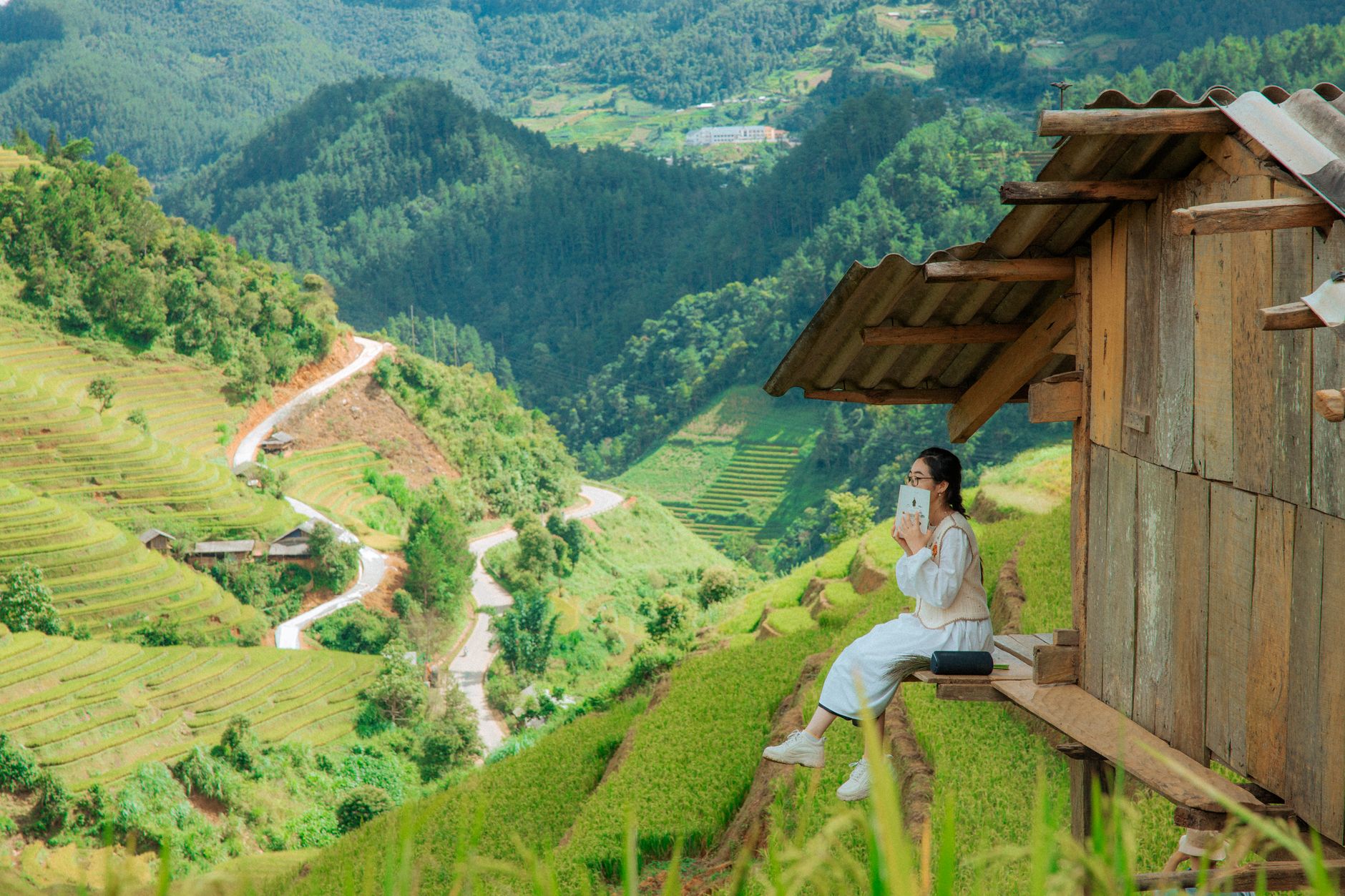
Photo by HONG SON on Pexels
A Month-by-Month Snapshot
January: Coldest, clearest. Tet holiday crowds mid-month. 5–15°C, minimal rain. Go if you want alpine cold and sharp views.
February: Cold, quiet, occasional mist. 8–18°C. Budget travelers' month.
March: Warming, increasing cloud. 12–20°C, light rain possible. Shoulder season.
April: Spring arriving, green and warm. 18–25°C, rain starts. Roads still passable.
May–August: Monsoon. Frequent heavy rain, landslide risk, difficult travel. 20–28°C. Avoid unless you have a specific plan.
September: Tail end of monsoon, drying out. 18–26°C, occasional rain. Improving.
October: Best month for most travelers. Clear skies, cool, manageable crowds. 15–22°C, minimal rain.
November: Still excellent. 12–20°C, clear, comfortable.
December: High season starts, cold and clear. 8–18°C, rare rain, peak crowds.
Practical Notes
Lai Chau sits roughly 300 km from Hanoi by road—a 7–8 hour drive via Ha Giang. If you're combining it with other northern trips, build it into a multi-week itinerary: Hanoi → Ha Giang → Lai Chau → Sapa or backtrack. October-November or December-January are best for visibility and comfort. Avoid May–September unless you're specifically interested in trekking through monsoon terrain or chasing low prices. Pack layers: mountain weather swings, and what's warm in town feels cold on a pass at 1,500 meters.
Going to Vietnam? Eat and travel smarter.
Monthly: new dishes, off-the-beaten-path destinations, and itineraries — straight to your inbox. No spam. Unsubscribe anytime.
Join 0 expats. (We just launched.)
More from lai-chau
Other articles covering this city.
How to Get to Lai Chau: Transport Options from Hanoi, Da Nang & Beyond
Lai Chau sits in the far northwest, 400 km from Hanoi. Here's how to reach it by bus, motorbike, or occasional flights—with costs, duration, and where to stay once you arrive.
What to Eat in Lai Chau: Regional Dishes and Where Locals Go
Lai Chau's mountain cuisine is built on pork, sticky rice, and wild greens. Here's what actually gets cooked in local kitchens and where to find it without overpaying.
More from Northern Vietnam
Other articles covering the same region.

Hoa Lu Ancient Capital: Vietnam's First Kingdom and How to Visit from Ninh Binh
Hoa Lu was Vietnam's first royal capital, and the two temple complexes that survive are among the most atmospheric historical sites in the north.

Hoan Kiem Lake: The Sword Legend, Ngoc Son Temple, and When to Visit
Hoan Kiem Lake sits at the center of Hanoi's Old Quarter — here's the legend behind it, how to walk it properly, and when the streets actually belong to you.

Lung Cu Flag Tower: Vietnam's Northernmost Point
The drive to Lung Cu Flag Tower takes you to Vietnam's northernmost point at 1,500 metres. It's a half-day trip from Dong Van with a steep climb, mountain views, and nearby Hmong villages.
More in Destinations
More articles from the same category.

Landmark 81 Saigon: Observation Deck, Ice Rink, and Getting There from District 1
Landmark 81 is Vietnam's tallest building and Saigon's most visible skyline anchor. Here's what's actually inside and whether it's worth the trip.

Bitexco Financial Tower: Skydeck, Helipad Bar, and Whether the Ticket Is Worth It
Saigon's most recognizable skyscraper charges 250,000 VND to ride up to the 49th floor — here's what you actually see, and whether you should bother.

Notre Dame Cathedral Saigon: French Colonial Centerpiece in the Heart of HCMC
Saigon's Notre Dame Cathedral has been wrapped in scaffolding for years, but the square in front of it remains one of the best starting points for a colonial-era walking tour of District 1.

Paradise Cave, Quang Binh: The 31km Marble Cave That Beats Phong Nha for Photographers
Paradise Cave runs 31km through Quang Binh's karst and delivers the kind of cathedral-scale formations that Phong Nha's boat tour simply can't match. Here's how to see it properly.

Son Doong Cave: What the $3,000 Oxalis Expedition Actually Includes
Son Doong is the world's largest cave and only one operator is legally allowed to take you inside. Here is what the permit-only expedition covers and whether it is worth it.

Phong Nha Cave: Wet Cave, Dry Cave, and How to Choose
Phong Nha has two main caves worth your time — one you reach by river boat, one on foot. Here's how to pick, what each costs, and when to go.
Comments
Loading…