Lai Chau What to Do: A Traveler's Guide
Lai Chau sits at Vietnam's northern edge, where mountains meet minority culture. Here's what's worth your time—and what isn't.

Lai Chau is not on most travelers' radar. That's partly because it's remote, partly because it lacks the infrastructure of Sapa or Ha Giang, and partly because it sits at the literal end of a long valley road. But if you're willing to spend 10–12 hours getting there from Hanoi, you'll find a province that feels genuinely untouched—H'Mong and Dzao villages, mountain views that rival more famous trekking zones, and restaurants where you're often the only foreigner. This is not a weekend destination. It's a commitment trip.
Getting There and Why It Takes Forever
Lai Chau city sits 450 km northwest of Hanoi. The drive via National Route 4 takes 10–12 hours depending on stops and road conditions. You can hire a car and driver (around 3–4 million VND round-trip for a group) or take a sleeper bus from Hanoi's My Dinh station (departure around 6–7 pm, arrival 5–6 am; 250,000–350,000 VND). The route is scenic—rice terraces flatten out, then mountains rise—but it's legitimately exhausting.
The payoff: fewer tourists means lower prices, emptier trails, and the feel that you're actually exploring rather than sightseeing.
Top Sights That Justify the Journey
Tana Waterfall (Muong Tè District)
This is Lai Chau's most famous landmark—a 40-meter cascade in Muong Tè, about 40 km south of Lai Chau city. The hike down is manageable (1 km, 30–45 minutes), and the pool at the base is swimmable year-round. Bring a light waterproof bag if it's monsoon season (May–September); the mist can be heavy. There's a small cafe at the top selling instant noodles and sugarcane juice. Entrance fee: 10,000 VND. It's crowded on Vietnamese holidays but otherwise quiet.
Lai Chau City Market (Morning)
Don't miss the early-morning atmosphere here—H'Mong women in indigo sell vegetables and live chickens, Dzao traders gather for coffee, and the energy is as real as it gets. Around 6–7 am is peak time. By 9 am it's winding down. There's no formal "tourist" section; you're just buying groceries alongside locals. A coffee at one of the market stalls costs 10,000–15,000 VND.
Phong Tho District: Village Walks
Phong Tho, 80 km north toward the Chinese border, has several H'Mong and Dzao hamlets worth a half-day walk. Expect paths through cornfields and bamboo, occasional homestays, and stunning views of the Muong Lay valley. Many travelers either hire a local guide through their hotel (200,000–300,000 VND for a day) or just walk and get deliberately lost—both work. The second option is fine if you're not on a tight schedule and have a phone with offline maps.
Hidden Gems (Or: The Stuff Guidebooks Miss)
Tam Duong Valley Motorbike Run
If you rent a motorbike (150,000–200,000 VND per day) and drive from Lai Chau city south toward Sapa, Route 4 cuts through the Tam Duong valley. The road itself is stunning—switchbacks with zero traffic, limestone cliffs, and pine forests. Stop at random pullouts and walk 10 minutes uphill for views. There are no official "scenic stops"; that's the point. Bring your own snacks and water.
Coffee in Lai Chau City
The province sits at high altitude with decent coffee cultivation. Try "Vietnamese coffee" at Highway Cafe (main street, around 30,000 VND) or Sao Mai, where the owner roasts beans in a small backroom. Asking for a recommendation from your hotel usually gets you steered somewhere authentic. The coffee is thinner and more acidic than central highlands beans, which is worth trying even if it's not your preference.
Muong Lay: The Real "Frontier Town"
Muong Lay (Lai Chau city's older name, still used locally) is smaller and quieter than the current Lai Chau city center. A 30-minute walk from the central market takes you past French-colonial government buildings (closed to the public but visually striking) and down to the Black River. There's a small riverside path where locals fish and kids play—zero tourist infrastructure, which makes it feel earned if you find it. Bring a picnic.

Photo by Vietnam Hidden Light on Pexels
Cultural Experiences Worth Time
Homestays in H'Mong Villages
Travelwise and Sapa Sisters (both Hanoi-based tour companies) operate homestay programs in Lai Chau's northern hamlets. Expect 2–3 days living with a H'Mong family: helping with meals, walking to water springs, learning basic embroidery. Cost: 2–3 million VND per person for 3 days including food and a guide. It's slower and more intimate than a guided trek. This works best if you speak basic Vietnamese or accept a lot of hand signals.
Dzao Cooking and Medicine Plants
Dzao communities in Muong Tè use traditional medicinal plants extensively. Some homestays offer a half-day walk to learn plant identification and foraging. Not widely advertised; ask your hotel to connect you. The walks are usually free, but a small gift for the guide is expected (100,000–200,000 VND).
Outdoor Activities
Trekking
Unlike Sapa (where trails are crowded), Lai Chau offers solitude. A standard 2–3 day trek might loop through 4–5 H'Mong villages and end at a homestay. Expect 15–20 km total walking, mixed terrain, no marked trails. Hire a guide through your hotel or a Hanoi agency (2–3 million VND for 3 days, guide included). The best seasons are October–November and March–April (dry, cool). July–August is monsoon; trails are muddy but lush.
Motorbike / Mountain Biking
If you're comfortable on a bike, renting a motorbike and riding remote routes (like Tam Duong to Phong Tho) is liberating. Roads are often unpaved but rideable. Mountain-bike rentals aren't standard in Lai Chau, so bring your own or arrange one in Hanoi and ship it.
Rock Climbing
Lai Chau is limestone country. Sport climbing isn't developed here like it is in Phong Nha, but bouldering and single-pitch climbs exist. You'll need to hire a guide who can scout spots. Not a mainstream activity; contact the Hanoi climbing community for current beta.
Day-Trip Ideas
From Lai Chau City to Tana Waterfall (1 Day)
Leave early (6–7 am), drive or take a shared minibus to Muong Tè (1.5 hours), hike Tana Waterfall (1 hour down, 1 hour back), swim if you want, lunch at the cafe, return to city by 4 pm. Cost: 300,000–500,000 VND all-in with transport and food. Easiest introduction to Lai Chau.
From Lai Chau City to Muong Lay and Black River (Half Day)
Walk or motorbike south for 30 minutes. Explore the old town, hike down to the river, lunch at a riverside stall, return. Minimal cost. Best in early morning for cool air and fewer motorcycles on the road.
From Sapa to Lai Chau (1–2 Days)
If you're already in Sapa, a day drive or overnight motorbike trip south to Lai Chau is possible. The route (Route 4 south through Tam Duong) is stunning. Factor in a night here, then continue south to Dien Bien Phu the next day to build a longer northwest loop.
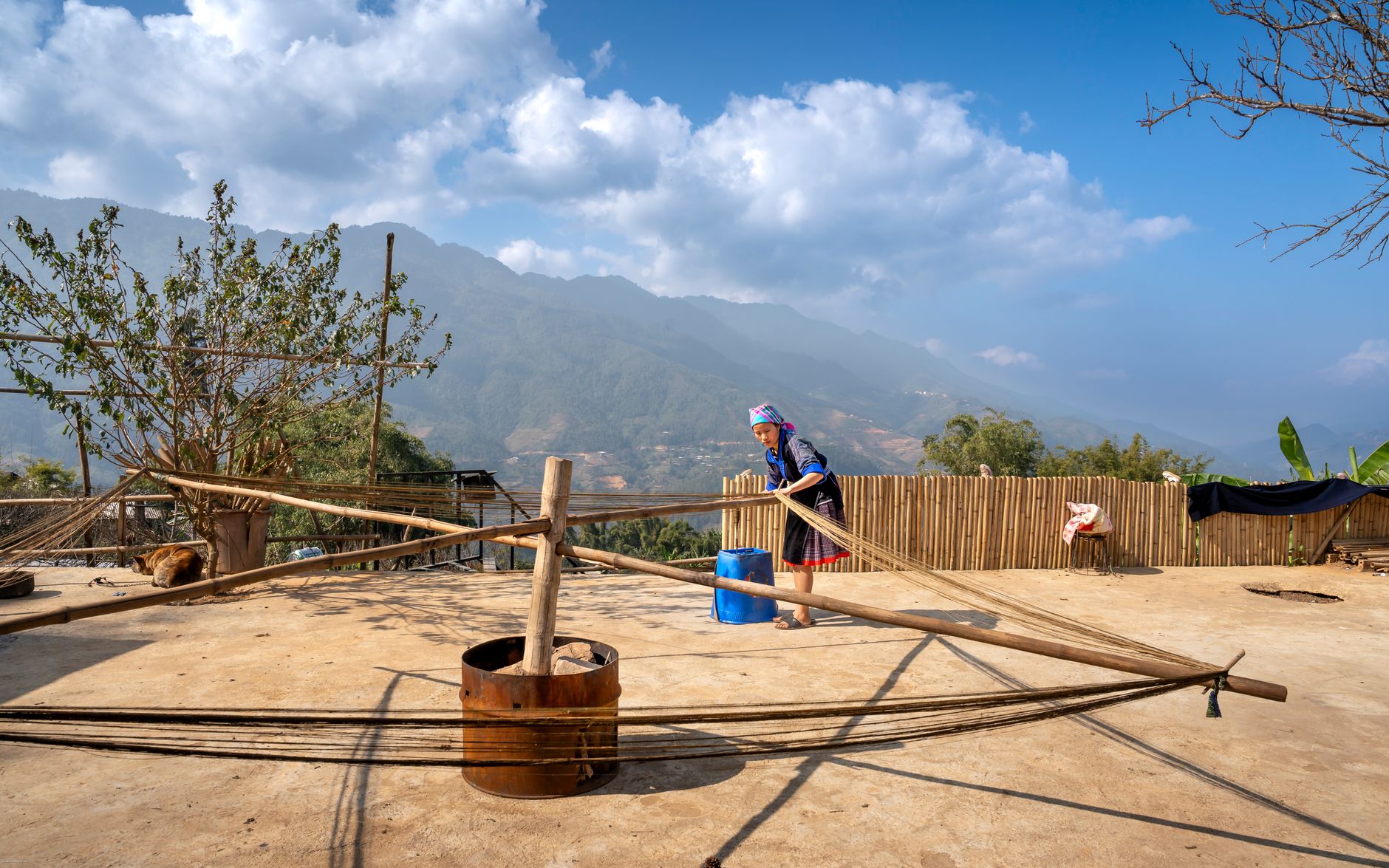
Photo by Quang Nguyen Vinh on Pexels
What to Skip
"Lai Chau City Attractions Poster" Sites
There's a minor museum and a "patriotic monument" listed in some guides. Skip both. They're poorly maintained, have minimal English signage, and feel like obligations rather than experiences. The market and river walks are far more valuable.
Organized City Tours
Unless you don't speak Vietnamese and can't figure out where to go, skip the 4-hour "Lai Chau City Tour" sold at hotels. It's expensive (500,000–700,000 VND), moves slowly, and hits the same weak sites above. Rent a motorbike and explore at your own pace instead.
Peak Season Tourism (July–August)
Monsoon season brings Hanoi families on school holidays. Roads get congested, homestays book out, and prices spike 20–30%. If you can, visit October–November or March–April.
Food Highlights
Lai Chau's cuisine mixes H'Mong and Dzao traditions. "Com tam" (broken-rice) isn't common, but pork dishes and hand-made "banh cuon" are. Look for restaurants with open kitchens where you can watch the work. Most meals cost 40,000–80,000 VND. Coffee is strong; order "ca phe sua da" (iced coffee with sweetened condensed milk) if you want sweetness. Local "bia hoi" (draft beer) is thin but cold and costs 5,000–10,000 VND per glass.
Practical Notes
Bring cash (ATMs in Lai Chau city exist but are unreliable). Your phone may jump between Vietnam and Chinese networks depending on location; lock your carrier preference. Travel insurance with evacuation coverage is smart for remote trekking. Allow 3–5 days minimum to justify the long drive; 7–10 days is better. Guides and homestay hosts speak minimal English, so basic Vietnamese phrases or a translation app help significantly.
Lai Chau won't feel "developed" in the way Sapa or Ha Giang do. There are few restaurants, no nightlife, and limited tourist amenities. For some travelers that's the entire appeal. For others it's frustrating. Be honest with yourself about what you want before committing the travel time.
Going to Vietnam? Eat and travel smarter.
Monthly: new dishes, off-the-beaten-path destinations, and itineraries — straight to your inbox. No spam. Unsubscribe anytime.
Join 0 expats. (We just launched.)
More from lai-chau
Other articles covering this city.
How to Get to Lai Chau: Transport Options from Hanoi, Da Nang & Beyond
Lai Chau sits in the far northwest, 400 km from Hanoi. Here's how to reach it by bus, motorbike, or occasional flights—with costs, duration, and where to stay once you arrive.
What to Eat in Lai Chau: Regional Dishes and Where Locals Go
Lai Chau's mountain cuisine is built on pork, sticky rice, and wild greens. Here's what actually gets cooked in local kitchens and where to find it without overpaying.
More from Northern Vietnam
Other articles covering the same region.

Hoa Lu Ancient Capital: Vietnam's First Kingdom and How to Visit from Ninh Binh
Hoa Lu was Vietnam's first royal capital, and the two temple complexes that survive are among the most atmospheric historical sites in the north.

Hoan Kiem Lake: The Sword Legend, Ngoc Son Temple, and When to Visit
Hoan Kiem Lake sits at the center of Hanoi's Old Quarter — here's the legend behind it, how to walk it properly, and when the streets actually belong to you.

Lung Cu Flag Tower: Vietnam's Northernmost Point
The drive to Lung Cu Flag Tower takes you to Vietnam's northernmost point at 1,500 metres. It's a half-day trip from Dong Van with a steep climb, mountain views, and nearby Hmong villages.
More in Destinations
More articles from the same category.

Landmark 81 Saigon: Observation Deck, Ice Rink, and Getting There from District 1
Landmark 81 is Vietnam's tallest building and Saigon's most visible skyline anchor. Here's what's actually inside and whether it's worth the trip.

Bitexco Financial Tower: Skydeck, Helipad Bar, and Whether the Ticket Is Worth It
Saigon's most recognizable skyscraper charges 250,000 VND to ride up to the 49th floor — here's what you actually see, and whether you should bother.

Notre Dame Cathedral Saigon: French Colonial Centerpiece in the Heart of HCMC
Saigon's Notre Dame Cathedral has been wrapped in scaffolding for years, but the square in front of it remains one of the best starting points for a colonial-era walking tour of District 1.

Paradise Cave, Quang Binh: The 31km Marble Cave That Beats Phong Nha for Photographers
Paradise Cave runs 31km through Quang Binh's karst and delivers the kind of cathedral-scale formations that Phong Nha's boat tour simply can't match. Here's how to see it properly.

Son Doong Cave: What the $3,000 Oxalis Expedition Actually Includes
Son Doong is the world's largest cave and only one operator is legally allowed to take you inside. Here is what the permit-only expedition covers and whether it is worth it.

Phong Nha Cave: Wet Cave, Dry Cave, and How to Choose
Phong Nha has two main caves worth your time — one you reach by river boat, one on foot. Here's how to pick, what each costs, and when to go.
Comments
Loading…