Nam Dinh: Pho's Birthplace and Red River Delta Culture
Nam Dinh province in northern Vietnam claims the birthplace of "pho" and has shaped Vietnamese history for centuries. Explore the region's geography, climate, and cultural heritage.

Nam Dinh sits in the southern Red River Delta, a region steeped in Vietnamese history and culinary tradition. The province is particularly renowned as the home of "[pho](/posts/pho-vietnam (베트남 / 越南 / ベトナム)-noodle-soup-guide)"—Vietnam's iconic noodle soup—which originated in Van Cu village. It's also the birthplace of national hero Tran Hung Dao and has long served as an educational and cultural cornerstone of northern Vietnam.
Geography and Districts
Nam Dinh is subdivided into one central city (Nam Dinh) and nine rural districts: Giao Thuy, Hai Hau, Nam Truc, Nghia Hung, Truc Ninh, Vu Ban, Xuan Truong, and Y Yen. The province's landscape breaks into three distinct regions.
The low-lying delta region—encompassing Vu Ban, Y Yen, Nam Truc, Truc Ninh, and Xuan Truong—is defined by intensive agriculture and textile manufacturing. The lowland coastal region, home to Giao Thuy, Hai Hau, and Nghia Hung, stretches along a 72-kilometer coastline and supports livestock farming and fishing; the Xuan Thuy National Nature Reserve is also located here. Nam Dinh city itself serves as the central hub, concentrating textile, garment, and processing industries alongside traditional trades and growing service sectors.
The province boasts four major estuaries—Ba Lat, Day, Lach Giang, and Ha Lan—which have shaped settlement and commerce for centuries.
Climate
Nam Dinh experiences a humid subtropical climate typical of the Northern Delta. Average annual temperature sits between 23 and 24°C (73–75°F), with December and January as the coldest months (16–17°C / 61–63°F) and July the hottest (often exceeding 29°C / 84°F).
Rainfall averages 1,750 to 1,800 millimeters (69–71 inches) annually, split between a rainy season (May–October) and drier months (November–February). The province receives 1,650 to 1,700 hours of sunlight per year and maintains 80–85 percent relative humidity. Its proximity to the Gulf of Tonkin means tropical storms and monsoons arrive four to six times annually—a factor worth considering when planning a visit.
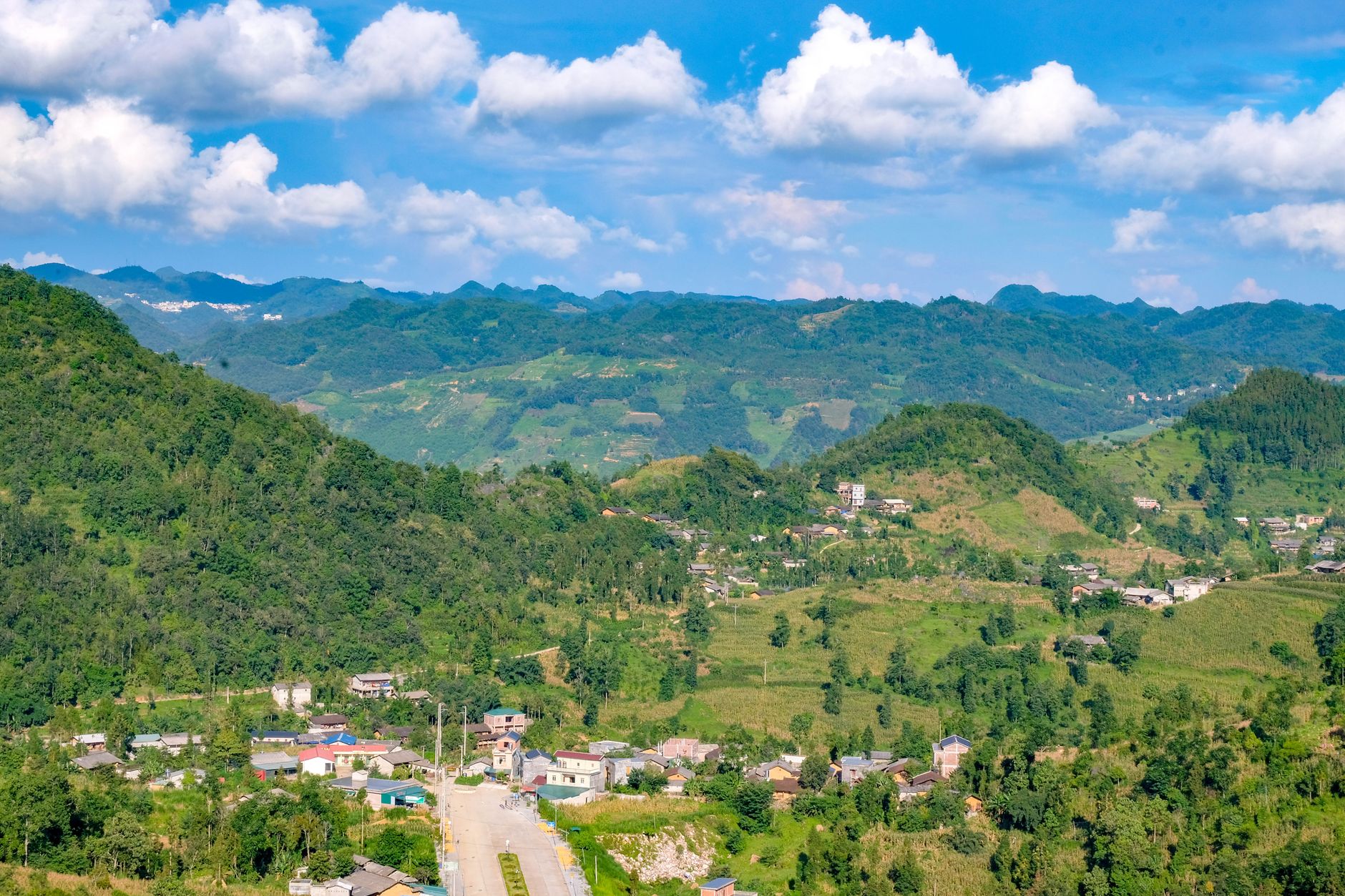
Photo by Du Tử Mộng on Pexels
Education and Culture
Nam Dinh holds a strong reputation for education across Vietnam. The province hosts several universities including Nam Dinh University of Nursing, University Technical Economics Nam Dinh, Nam Dinh University of Technology Education, and Luong the Vinh University. Le Hong Phong High School ranks among Vietnam's top secondary schools; in 2003, Nam Dinh had 16 schools in the national top 200, and five in the top 100 by 2009.
Culturally, Nam Dinh is a center for "Dao Mau," a Vietnamese folk religion that originated in the province in the 16th century. Buddhism, particularly the Zen school during the Tran dynasty, has deep historical roots. Catholicism is also significant, with parts of the province falling under the Hanoi Archdiocese and the entirety under the Bui Chu Diocese.
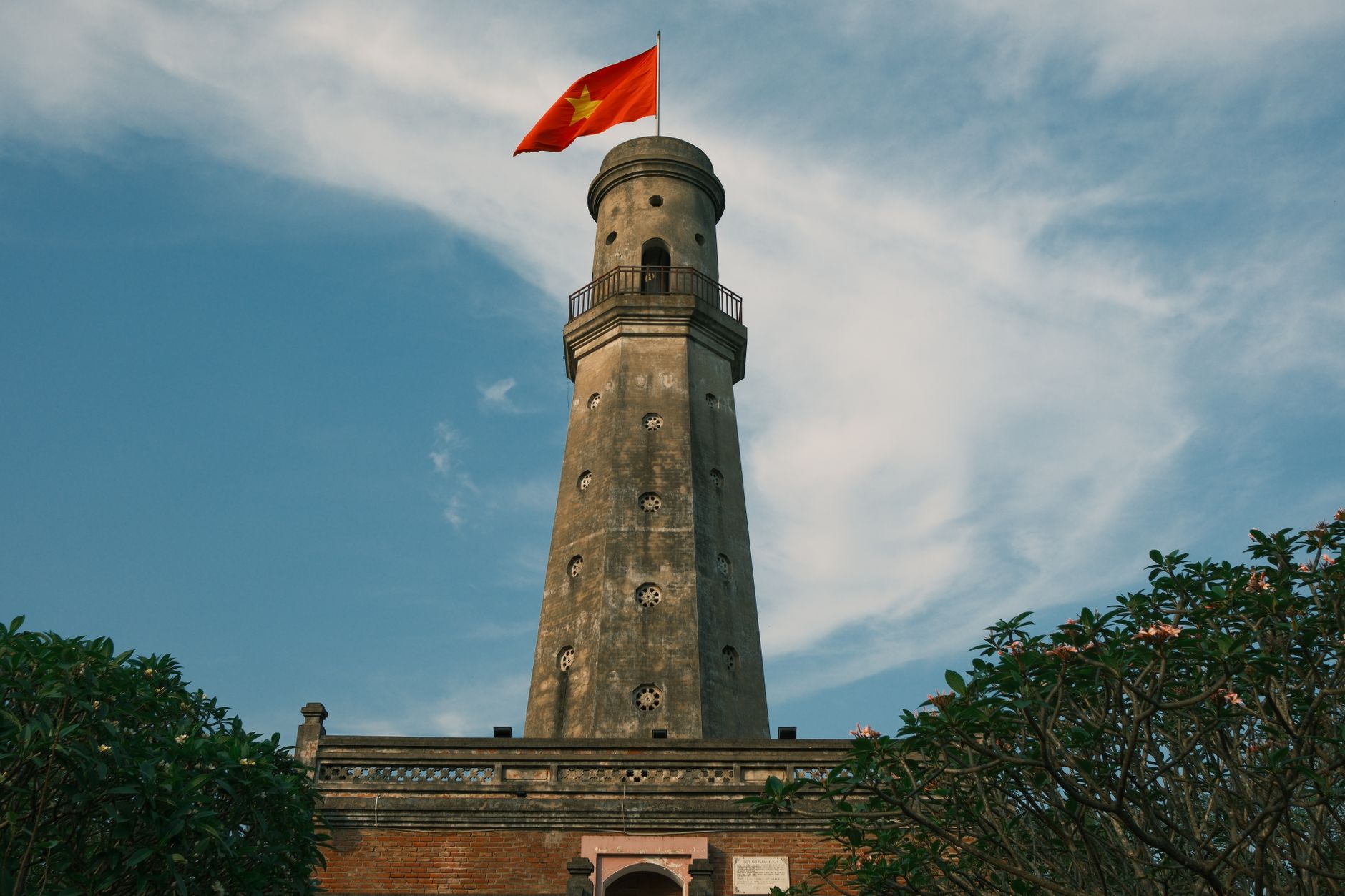
Photo by Thuan Pham on Pexels
Economy and Industry
By 2005, Nam Dinh's economy was structured as 41 percent agriculture/forestry/fishing, 21.5 percent industry/construction, and 38 percent services. The province hosts six major industrial zones and parks attracting domestic and foreign investment:
Hoa Xa Industrial Zone (808 acres / 3.27 km²) is the largest, with approximately 86 projects and an estimated 18.76 billion USD in total investment. My Trung Industrial Park (370 acres, expandable to 470) borders National Highway 10 and targets 16.2–19 million USD in development. Thanh An Industrial Park (up to 370 acres) connects via Road 21 to Hai Thinh port and southern districts. Bao Minh Industrial Park in Vu Ban (494 acres) sits 10 kilometers south of Highway 10. Hong Tien Industrial Park in Y Yen (620 acres) sits 25 kilometers from Nam Dinh city, next to Highway 10 and the North-South railway. Ninh Co Industrial Park (500 hectares) spans Hai Hau and Nghia Hung districts, operated by VINASHIN Shipbuilding and supporting seaports, shipbuilding, and tourism services.
Why Visit Nam Dinh
For food travelers, Nam Dinh is essential: Van Cu village's pho (쌀국수 / 越南河粉 / フォー) heritage is tangible and walkable. History enthusiasts will find centuries of cultural layers. The Red River Delta's agricultural landscape, coastal reserves, and traditional textile trades offer genuine glimpses into how northern Vietnam lives and produces.
Going to Vietnam? Eat and travel smarter.
Monthly: new dishes, off-the-beaten-path destinations, and itineraries — straight to your inbox. No spam. Unsubscribe anytime.
Join 0 expats. (We just launched.)
More from nam-dinh
Other articles covering this city.

Where to Stay in Nam Dinh: Budget to Mid-Range Options for North Vietnam
Nam Dinh is quieter than Hanoi but still has decent guesthouses and hotels. Here's what neighborhoods offer and which properties suit different budgets.

How to Get to Nam Dinh: Your Transport Guide
Nam Dinh is Vietnam's oldest city and a quiet alternative to crowded northern circuits. Here's how to reach it from Hanoi, Saigon, and other hubs by bus, train, or motorbike.

Pho: Vietnam's National Noodle Soup — Origins, Broth Secrets, Nutrition
Flat rice noodles, bone broth simmered 12+ hours, beef or chicken, fresh herbs. How "pho" became Vietnam's breakfast staple and what makes a good bowl.
More from Northern Vietnam
Other articles covering the same region.

Hoa Lu Ancient Capital: Vietnam's First Kingdom and How to Visit from Ninh Binh
Hoa Lu was Vietnam's first royal capital, and the two temple complexes that survive are among the most atmospheric historical sites in the north.

Hoan Kiem Lake: The Sword Legend, Ngoc Son Temple, and When to Visit
Hoan Kiem Lake sits at the center of Hanoi's Old Quarter — here's the legend behind it, how to walk it properly, and when the streets actually belong to you.

Lung Cu Flag Tower: Vietnam's Northernmost Point
The drive to Lung Cu Flag Tower takes you to Vietnam's northernmost point at 1,500 metres. It's a half-day trip from Dong Van with a steep climb, mountain views, and nearby Hmong villages.
More in Destinations
More articles from the same category.

Landmark 81 Saigon: Observation Deck, Ice Rink, and Getting There from District 1
Landmark 81 is Vietnam's tallest building and Saigon's most visible skyline anchor. Here's what's actually inside and whether it's worth the trip.

Bitexco Financial Tower: Skydeck, Helipad Bar, and Whether the Ticket Is Worth It
Saigon's most recognizable skyscraper charges 250,000 VND to ride up to the 49th floor — here's what you actually see, and whether you should bother.

Notre Dame Cathedral Saigon: French Colonial Centerpiece in the Heart of HCMC
Saigon's Notre Dame Cathedral has been wrapped in scaffolding for years, but the square in front of it remains one of the best starting points for a colonial-era walking tour of District 1.

Paradise Cave, Quang Binh: The 31km Marble Cave That Beats Phong Nha for Photographers
Paradise Cave runs 31km through Quang Binh's karst and delivers the kind of cathedral-scale formations that Phong Nha's boat tour simply can't match. Here's how to see it properly.

Son Doong Cave: What the $3,000 Oxalis Expedition Actually Includes
Son Doong is the world's largest cave and only one operator is legally allowed to take you inside. Here is what the permit-only expedition covers and whether it is worth it.

Phong Nha Cave: Wet Cave, Dry Cave, and How to Choose
Phong Nha has two main caves worth your time — one you reach by river boat, one on foot. Here's how to pick, what each costs, and when to go.
Comments
Loading…