Where to stay in Cao Bang for Ban Gioc: City vs. near the falls
Choose between Cao Bang city (budget hotels, 80km away) or homestays near Ban Gioc waterfall (closer but fewer amenities). Weekday visits beat the domestic-tourist crowds.

Cao Bang city: cheap, convenient, fewer travelers
Staying in Cao Bang city means sleeping in the provincial capital — a scrappy, unremarkable town where most backpackers and Vietnamese tourists pass through without lingering. That's actually its main draw.
Hotels here run 300,000–1,100,000 VND (roughly $12–45 USD) for a basic double with air conditioning, fan rooms even cheaper. Chains like Hoang Dieu, Cao Bang Hotel, and the ubiquitous family-run guesthouses cluster near the town square and along Ngo Quyen Street. You'll find restaurants, convenience stores, ATMs — the infrastructure of any Vietnamese provincial town. If something goes wrong (lost luggage, food poisoning, need antibiotics), a city has options.
The trade-off: Ban Gioc is 80km north, a 2–2.5 hour drive depending on road condition and your motorbike's temperament. Most visitors rent a motorbike in Cao Bang (80,000–150,000 VND/day) or hire a car with driver (800,000–1,200,000 VND for a full day, splits cheaper with others). You'll leave early to catch morning light at the falls and return by evening.
Best for: travelers on a tight budget, those wanting laundry and restaurant choice, anyone uncomfortable with homestay informality.
Near Ban Gioc: homestays and eco-lodges, fewer tourists
The village of Ban Gioc sits just a few kilometers from the waterfall itself. Homestays and small eco-lodges have sprouted here — mostly run by local families or small operators who understand the falls better than anyone.
Prices range 600,000–2,000,000 VND ($25–80) per night depending on amenities and season. Expect simple rooms (often with shared or private bathroom), basic breakfast (rice, eggs, pickles, coffee), and hosts who speak some English or have arranged English-speaking guides. Places like Ban Gioc Eco-Lodge and family homestays near the village center offer this setup. Some include motorbike rental or guides to lesser-known viewpoints and nearby caves (Nguom Ngao is close).
The advantage: you wake up 3–5km from the falls. You can visit early morning (before day-trippers arrive from Hanoi), stay for lunch, and return to rest. You can also explore quieter sections of the waterfall, hidden pools, and the Cao Bang–China border landscape without rushing back to town. The homestays often arrange hikes, local-food dinners, and introductions to villagers.
The trade-off: fewer restaurants outside your homestay's kitchen, limited power or internet reliability, and you're dependent on your host for guidance. If the place is mediocre, you're stuck. No late-night cafe culture or backup options.
Best for: travelers wanting immersion and convenience, photographers chasing light, those with flexibility on comfort.
Photo by Vyvan BÙI VY VÂN on Pexels
Timing: weekday beats weekend
Cao Bang province sees heavy domestic tourism on Saturdays and Sundays. Vietnamese tour groups, motorbike clubs, and Hanoi (하노이 / 河内 / ハノイ) families descend on Ban Gioc, crowding the falls and carparks by mid-morning. If you stay in Cao Bang city and drive out on a Saturday, expect hundreds of people, loud music from vendor stalls, and a circus atmosphere.
Weekdays (Monday–Friday) are quieter. Fewer tour groups, shorter photo queues, and a more contemplative experience. If your schedule allows, build your Cao Bang trip around a weekday visit — check Vietnamese public holidays first (avoid Tet, mid-autumn festival), then pick a Tuesday or Wednesday.
Homestaystays near the falls benefit even more from weekday timing. You can hike the upper falls or explore the China-side views with minimal crowds.
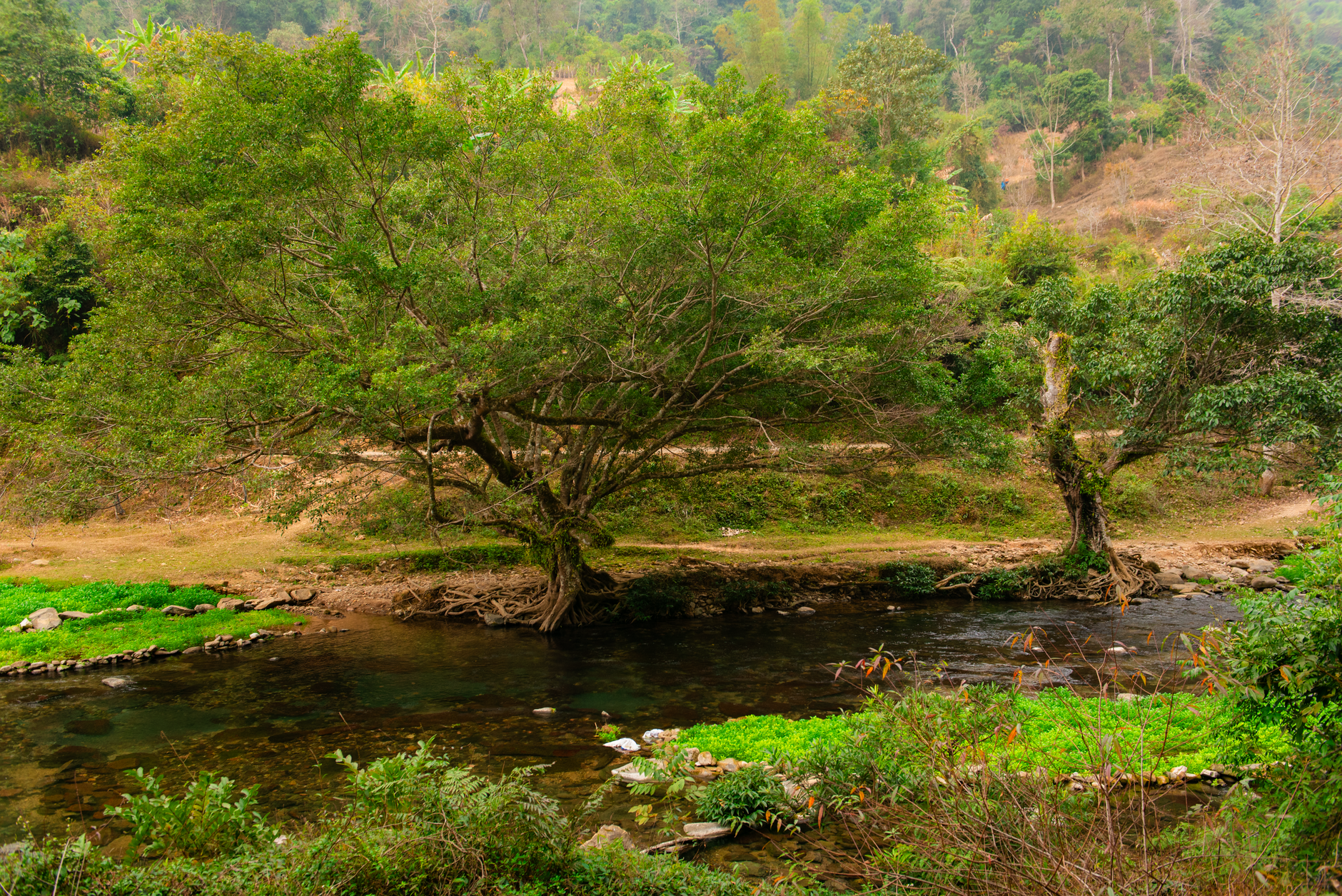
Photo by Hiếu Vũ Vlog on Pexels
Practical notes
Motorbike rental requires a passport copy; drivers should have an International Driving Permit (or at least know their home license is often overlooked). The road from Cao Bang to Ban Gioc is paved but narrow in stretches; drive cautiously, especially in rain. If you're not confident on a motorbike, hire a driver or join an organized tour (Hanoi tour operators run Cao Bang 2–3-day trips for 2–3 million VND per person including transport and guide). Stock up on snacks and water in Cao Bang before heading north — village convenience stores are limited.
Going to Vietnam? Eat and travel smarter.
Monthly: new dishes, off-the-beaten-path destinations, and itineraries — straight to your inbox. No spam. Unsubscribe anytime.
Join 0 expats. (We just launched.)
More from cao-bang
Other articles covering this city.

Banh Cuon: Vietnam's Paper-Thin Steamed Rice Rolls, Region by Region
From Thanh Tri's translucent sheets to Lang Son's egg-yolk surprise, "banh cuon" changes dramatically across Vietnam. Here's what makes each regional style worth tracking down.

Pho: Vietnam's National Noodle Soup — Origins, Broth Secrets, Nutrition
Flat rice noodles, bone broth simmered 12+ hours, beef or chicken, fresh herbs. How "pho" became Vietnam's breakfast staple and what makes a good bowl.

Cao Bang City: Gateway to Northern Vietnam's Mountains and History
Cao Bang City sits on the Bang Giang river near China's border, surrounded by karst valleys and waterfalls. A small provincial capital with strategic history—good base for exploring the north.
More from Northern Vietnam
Other articles covering the same region.

Hoa Lu Ancient Capital: Vietnam's First Kingdom and How to Visit from Ninh Binh
Hoa Lu was Vietnam's first royal capital, and the two temple complexes that survive are among the most atmospheric historical sites in the north.

Hoan Kiem Lake: The Sword Legend, Ngoc Son Temple, and When to Visit
Hoan Kiem Lake sits at the center of Hanoi's Old Quarter — here's the legend behind it, how to walk it properly, and when the streets actually belong to you.

Lung Cu Flag Tower: Vietnam's Northernmost Point
The drive to Lung Cu Flag Tower takes you to Vietnam's northernmost point at 1,500 metres. It's a half-day trip from Dong Van with a steep climb, mountain views, and nearby Hmong villages.
More in Travel Tips
More articles from the same category.

Bargaining in Vietnam: When to haggle, when to pay the asking price
Haggling is normal at markets and with cyclos, but not everywhere. Learn which settings expect negotiation, how much to push back, and where to just hand over your money.
Best Vietnam eSIM Providers 2026: Costs, Setup, and Real-World Tips
A practical breakdown of Vietnam's top eSIM options, real prices, and how to avoid common pitfalls when arriving with no local SIM.

Where to Stay in Saigon: District 1 vs District 3 vs District 7
Three neighborhoods, three vibes. Pick District 1 for backpackers and chaos, District 3 for quiet and value, or District 7 for modern expat comfort. Here's how each stacks up.

Where to Stay in Sapa: Town Center vs Cat Cat vs Ta Van
Sapa has three distinct bases: the foggy town center for convenience, Cat Cat village for quiet hilltop views, or Ta Van for homestay immersion. Pick based on whether you're chasing comfort or trekking.

Where to Stay in Can Tho: Ninh Kieu, Cai Rang, or Orchards
Can Tho's three main neighborhoods offer different angles on Mekong Delta life. Here's how to pick based on your priorities and budget.

Where to Stay in Hue: Citadel vs South Bank vs Beach
Hue splits into three distinct neighborhoods for travelers. Each offers different trade-offs between history access, dining, and atmosphere—here's how to choose.
Comments
Loading…